Photo: Hugowolf, CC BY 3.0 (via Wikimedia Commons)
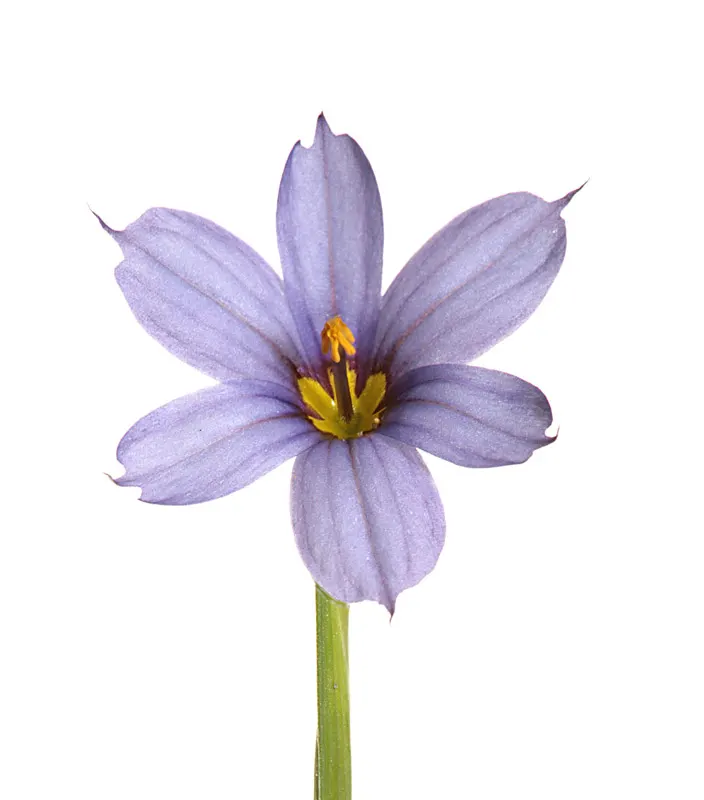
Narrowleaf Blue-Eyed Grass
Sisyrinchium angustifolium
Also known as Blue-Eyed Grass, Pointed Blue-Eyed Grass, Eastern Blue-Eyed Grass
Key benefits
✦Traditional uses
✦Despite its name, blue-eyed grass is not a grass at all but a small, iris-like wildflower that once held a modest place in the medicine baskets of several Native peoples of eastern North America. Root decoctions were used by tribes including the Cherokee and Iroquois as a gentle digestive remedy, taken to ease stomach upset and traditionally offered to children as a mild laxative and to help settle intestinal worms. It was a plant gathered close to home rather than traded far, a quiet dooryard remedy more than a famous one. Today it is better known and more widely grown for its cheerful starry flowers than for its herbal history, but that older, humbler use is still recorded in the ethnobotanical record.
How to grow & use it
✦The full apothecary for Narrowleaf Blue-Eyed Grass
Traditional remedies and step-by-step preparations, a complete growing guide, and how to harvest, dry, and store it, all unlocked with HerbLens Unlimited.
- ✦Remedies & preparations
- ✦ Growing guide
- ✦Harvest & storage
From under $6 a month. Free plant identifications always included.
- ✦Chamomile
- ✦Ginger
- ✦Peppermint
- ✦Chamomile
- ✦Ginger root
“For the meadow that wants scattering with tiny, star-eyed blue light.”
Each blue-eyed grass flower only opens in bright morning sunshine and closes by afternoon, lasting just a single day; the little yellow center at the heart of each violet-blue bloom is what earned the whole plant its watchful, eye-like name.
Narrowleaf blue-eyed grass is not documented as toxic, but it is also not a well-studied modern herb, and its traditional use as a digestive aid and mild laxative comes from historical ethnobotanical records rather than clinical research. Its safety in pregnancy, nursing, and childhood use, along with any interactions with medications, has not been well established. It should be regarded as a historical remedy rather than a proven treatment, and anyone considering using it, especially for children, during pregnancy or nursing, or alongside other medications, should talk with a qualified healthcare provider or herbalist first.