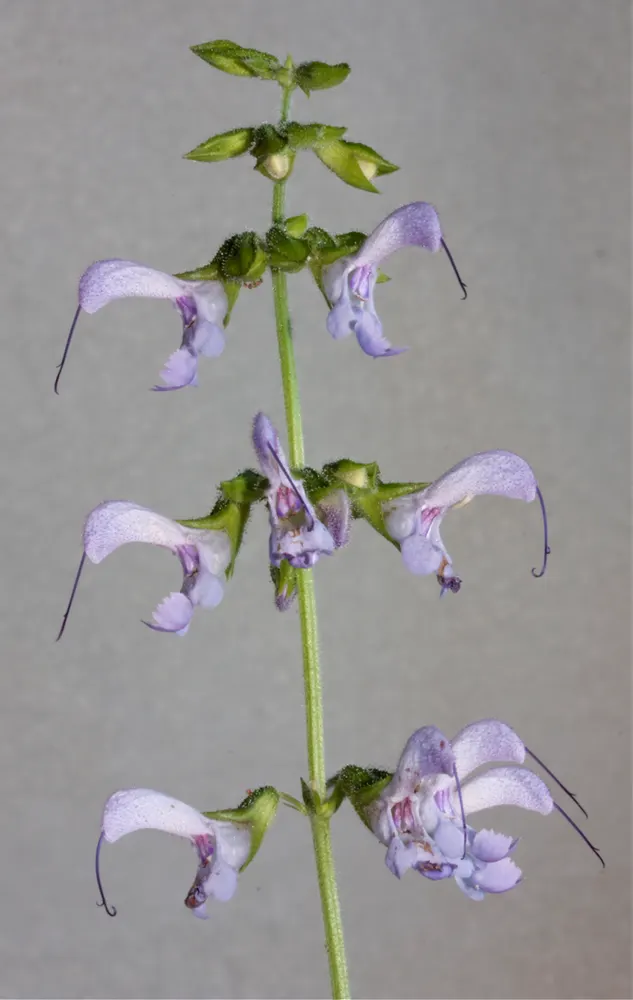
Photo: First Light (talk), CC BY 3.0 (via Wikimedia Commons)
Danshen
Salvia miltiorrhiza
Also known as Red Sage Root, Chinese Sage Root, Tan Shen, Salvia Root
Key benefits
✦Traditional uses
✦Danshen has been a cornerstone of Chinese herbal medicine for well over two thousand years, prized above almost any other root for what practitioners called its ability to 'invigorate the blood.' It appears in the Shennong Bencao Jing, one of the oldest surviving materia medica texts, where it was ranked among the middle-grade herbs, those trusted to nourish the body over time without being harsh. Traditional Chinese medicine has long turned to danshen for circulatory sluggishness, for a heart that feels unsettled, and for women navigating irregular or uncomfortable menstrual cycles. Herbalists also valued it for quieting a restless mind, pairing its blood-moving reputation with a gentler, calming one.
How to grow & use it
✦The full apothecary for Danshen
Traditional remedies and step-by-step preparations, a complete growing guide, and how to harvest, dry, and store it, all unlocked with HerbLens Unlimited.
- ✦Remedies & preparations
- ✦ Growing guide
- ✦Harvest & storage
From under $6 a month. Free plant identifications always included.
- ✦Hawthorn
- ✦Astragalus
- ✦Motherwort
- ✦Hawthorn berry
- ✦Motherwort
“For the quiet, steady work of a heart finding its rhythm.”
In Chinese, 'dan' means cinnabar red and 'shen' echoes the word for ginseng-like roots, a name given because the root's skin is a striking rust red, unlike the pale, leafy sage most Western cooks know.
Danshen has a well-documented interaction with blood thinners like warfarin, raising bleeding risk, and should be stopped before surgery. It has traditionally been avoided in pregnancy due to its blood-invigorating reputation.