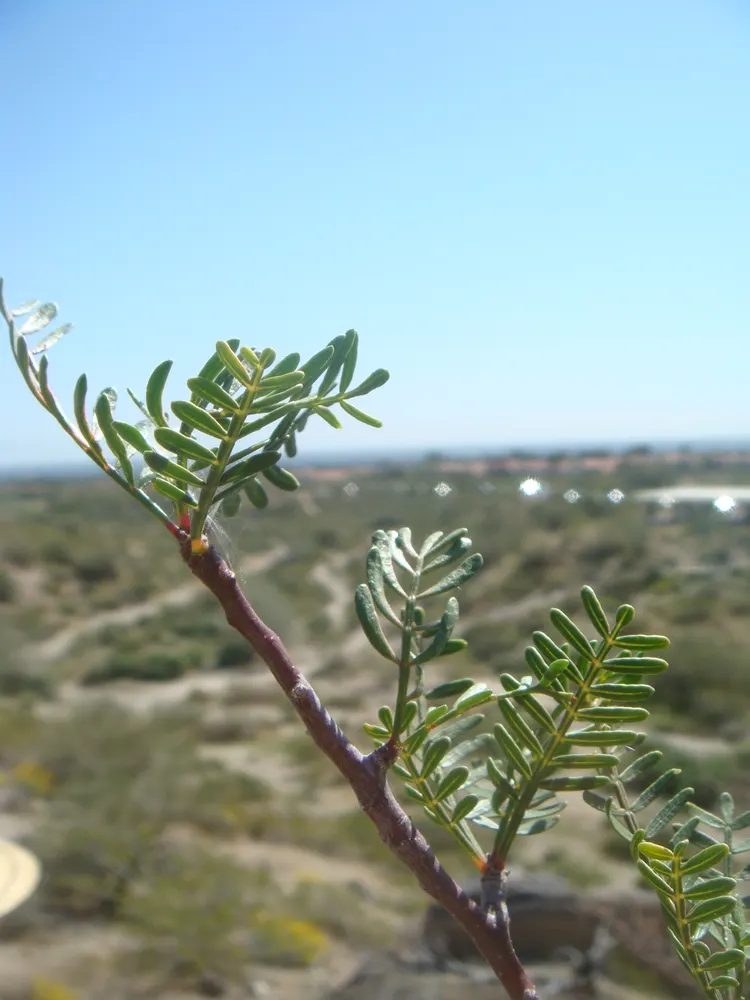
Photo: Miwasatoshi, CC BY-SA 4.0 (via Wikimedia Commons)
Elephant Tree
Bursera microphylla
Also known as Torote, Torote Blanco, Little-leaf Elephant Tree, Copal
Key benefits
✦Traditional uses
✦Long before it caught the eye of desert gardeners, the elephant tree was a working plant for the Seri, O'odham, and other peoples of the Sonoran Desert. Its fragrant, amber sap, close cousin to frankincense and myrrh, was gathered from cuts in the papery red bark and pressed onto scrapes, bites, and sores as a simple field bandage. The hardened resin was also burned as incense and used to waterproof baskets, pottery, and canoes, making the tree as much a toolkit as a medicine chest. Its bulging, water-storing trunk earned it the name elephant tree, a plant built to outlast drought and to be useful in every season it survives.
How to grow & use it
✦The full apothecary for Elephant Tree
Traditional remedies and step-by-step preparations, a complete growing guide, and how to harvest, dry, and store it, all unlocked with HerbLens Unlimited.
- ✦Remedies & preparations
- ✦ Growing guide
- ✦Harvest & storage
From under $6 a month. Free plant identifications always included.
- ✦Copal (other Bursera species)
- ✦Frankincense
- ✦Myrrh
- ✦Copal resin
- ✦Myrrh (Commiphora myrrha)
“For the fragrant first aid the desert keeps wrapped in papery red bark.”
The elephant tree belongs to the same botanical family as frankincense and myrrh, and its swollen, water-storing trunk and papery, peeling red bark are the very features that gave the tree its name.
Elephant Tree sap can irritate sensitive skin, so patch test before use. Internal use of the resin or bark isn't well studied and should be avoided, including during pregnancy or with children.