Photo: Ninjatacoshell, CC BY-SA 3.0 (via Wikimedia Commons)
Honeybush
Cyclopia intermedia
Also known as Honeybush Tea, Bergtee, Cyclopia
Key benefits
✦Traditional uses
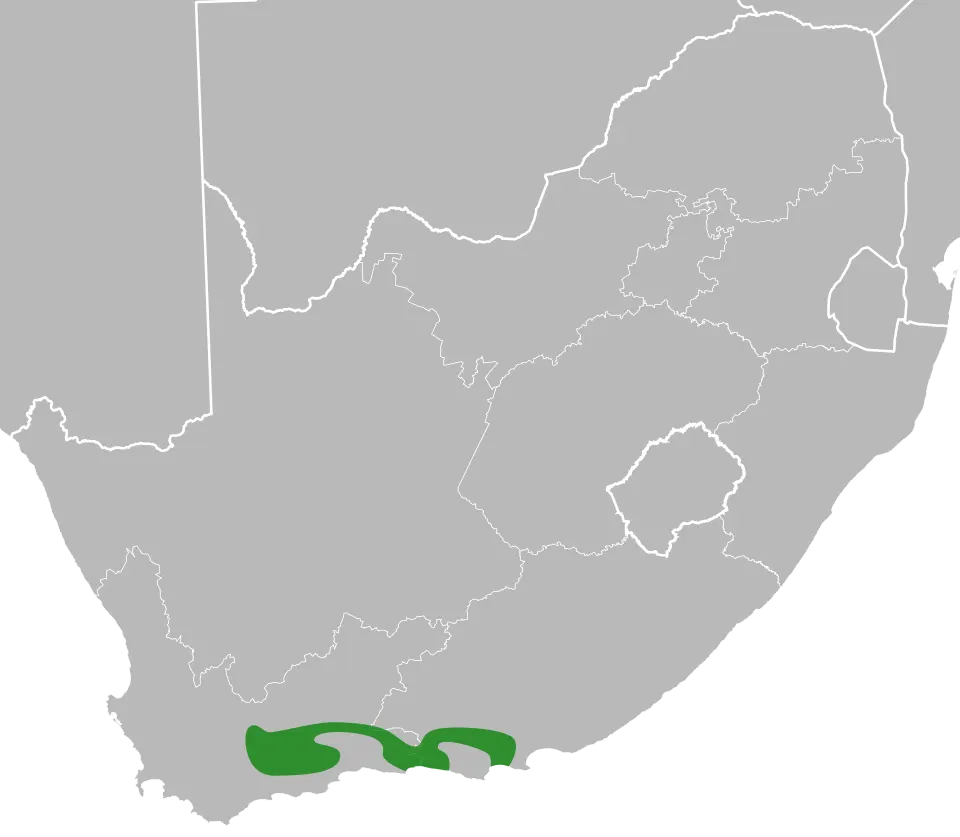
✦Long before it reached supermarket shelves, honeybush was gathered from the wild mountain slopes of the Cape by the Khoikhoi and later by Cape Dutch settlers, who dried and steeped the leafy stems into a naturally sweet, caffeine-free tea. It was traditionally taken to ease coughs and chest colds, offered to nursing mothers as a gentle tonic, and simply enjoyed as an everyday comfort drink in households across the Cape. Unlike its more famous cousin rooibos, honeybush is actually a whole group of related wild shrubs, and Cyclopia intermedia has long been considered one of the best tasting of the bunch, prized for the deep, honey-like sweetness it develops once cured.
How to grow & use it
✦The full apothecary for Honeybush
Traditional remedies and step-by-step preparations, a complete growing guide, and how to harvest, dry, and store it, all unlocked with HerbLens Unlimited.
- ✦Remedies & preparations
- ✦ Growing guide
- ✦Harvest & storage
From under $6 a month. Free plant identifications always included.
- ✦Rooibos
- ✦Fresh ginger
- ✦Lemon or citrus peel
- ✦Rooibos
- ✦Chamomile
“You want the comfort of a warm cup without the jitter of caffeine trailing behind it.”
Rooibos comes from a single species, but honeybush is a whole clan. More than twenty different Cyclopia species growing wild across the Cape mountains are all harvested and called honeybush, and Cyclopia intermedia, prized for its especially sweet, honeyed cup, is one of the two species that dominate the trade.
A common everyday tea with no significant toxicity, though its plant estrogens mean those with hormone-sensitive conditions should be mindful of regular use.