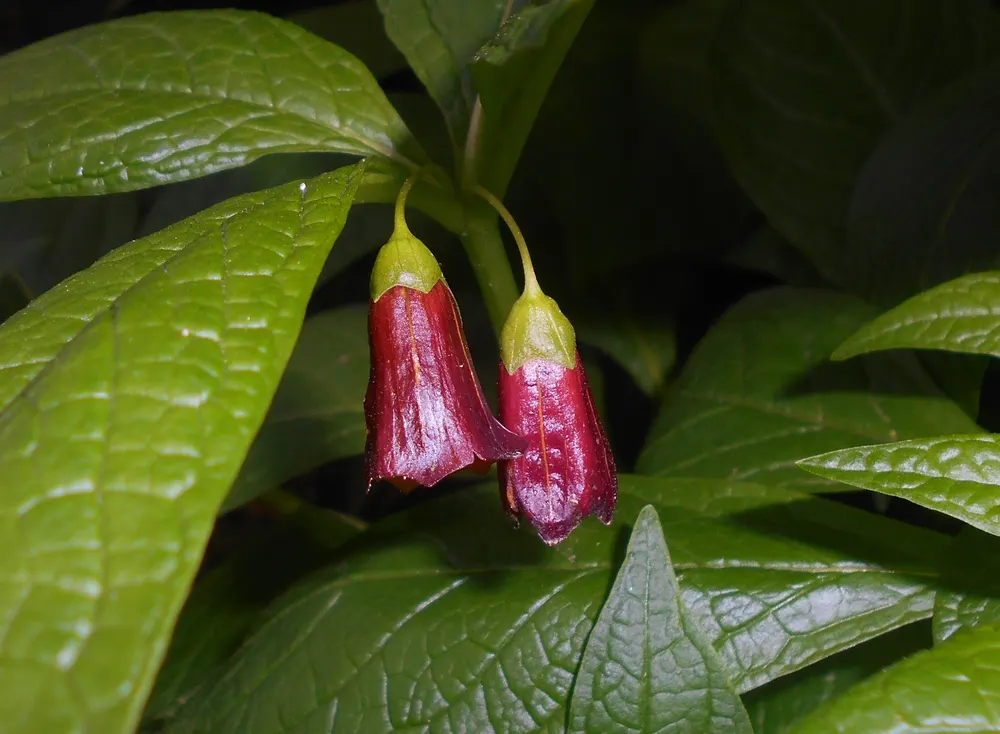
Photo: Salicyna, CC BY-SA 4.0 (via Wikimedia Commons)
Scopolia
Scopolia carniolica
Also known as European scopolia, henbane bell, Carniolan scopolia
Traditional uses
✦Scopolia carniolica grows quietly in the shaded forests of the Alps and the Balkans, where its dusky, bell-shaped flowers nod toward the ground each spring like small hooded figures. For centuries it lived in the same uneasy company as belladonna and henbane, plants that European folk tradition both feared and occasionally reached for, its root sometimes dug up and mistaken for those more famous, equally dangerous relatives. In the nineteenth century, chemists discovered that Scopolia root was actually one of the richest natural sources of scopolamine, the very compound that later took its name from this plant, and for a time it was cultivated commercially as a source material for pharmaceutical alkaloid extraction rather than gathered for folk cures. Today it survives mostly as a shade garden curiosity and a footnote in the history of pharmacology, admired from a careful distance rather than handled.
How to grow & use it
✦The full apothecary for Scopolia
Traditional remedies and step-by-step preparations, a complete growing guide, and how to harvest, dry, and store it, all unlocked with HerbLens Unlimited.
- ✦Remedies & preparations
- ✦ Growing guide
- ✦Harvest & storage
From under $6 a month. Free plant identifications always included.
- ✦Ashwagandha (for traditional grounding or restorative herbal work, under proper guidance)
- ✦Chamomile (for a gentle, well established calming tea)
“A plant to admire from the garden path, never to gather from it.”
The compound scopolamine, once used in "twilight sleep" obstetric sedation and still found in modern motion sickness patches, takes its name directly from this plant's genus, a rare case of a household pharmaceutical term tracing straight back to a shy little woodland flower most gardeners have never heard of.
Scopolia carniolica is a genuinely dangerous plant, and every part of it, especially the roots and rhizomes, contains potent tropane alkaloids including scopolamine, hyoscyamine, and atropine, the same family of compounds found in its infamous nightshade cousins belladonna, henbane, and mandrake. Ingesting any part of this plant can cause severe poisoning, with symptoms ranging from dry mouth, dilated pupils, and racing heartbeat to hallucinations, delirium, seizures, coma, and death, and historic records are full of accidental fatalities from foragers mistaking its roots for edible ones. It is not used in home herbalism or kitchen preparations of any kind, and it should never be ingested, brewed, smoked, or applied in any home remedy under any circumstances. Children and pets are especially vulnerable, and even brief skin contact with sap can cause irritation in sensitive individuals. This entry is included for botanical and historical interest only. If you suspect exposure or poisoning, contact emergency services or a poison control center immediately, and always consult a qualified medical professional or toxicologist rather than any home reference, including this one, for anything involving this plant.