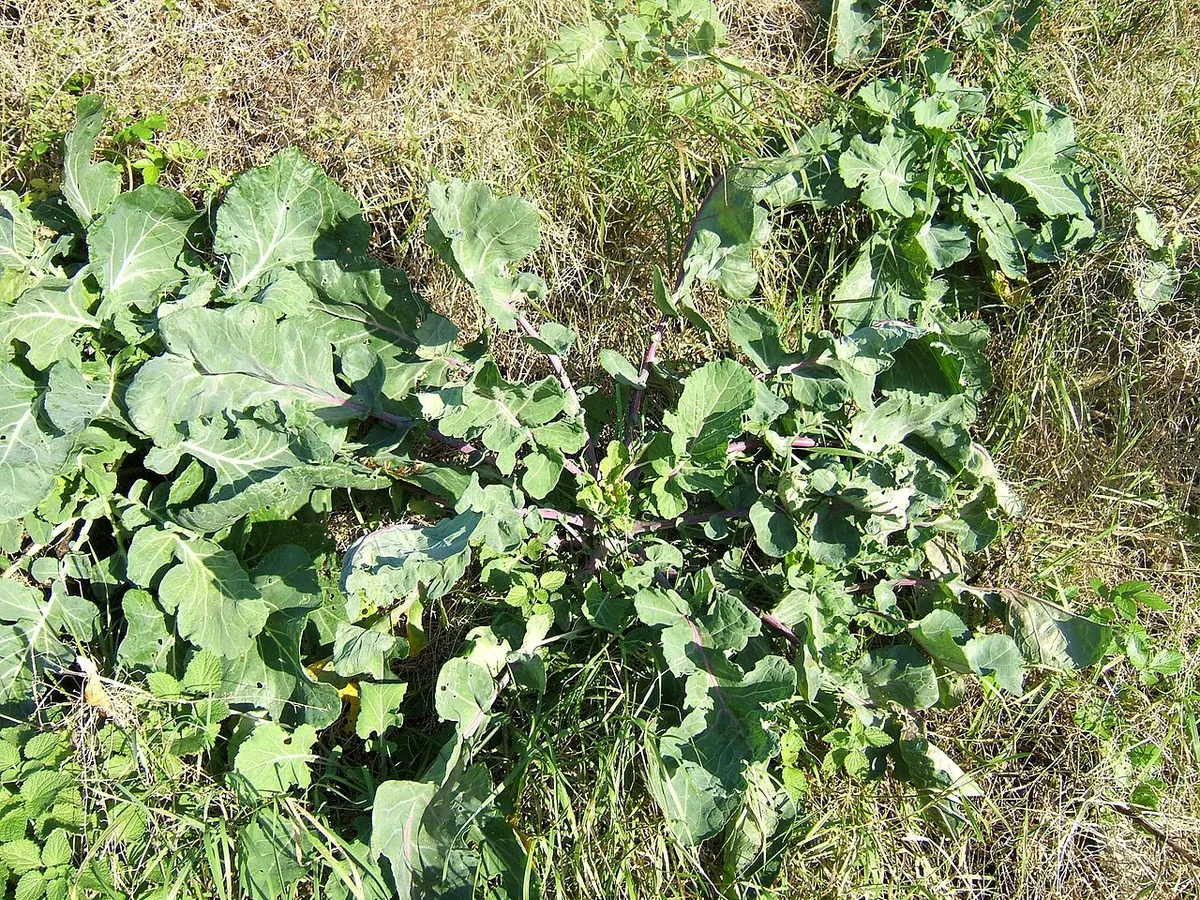
Photo: MPF, CC BY 2.5 (via Wikimedia Commons)
Cabbage
Brassica oleracea
Also known as Common Cabbage, Head Cabbage, Wild Cabbage (ancestor form)
Key benefits
✦Traditional uses
✦Long before cabbage was a supermarket staple, it was a cottage remedy. Cooks and grandmothers across Europe wrapped chilled cabbage leaves around sore joints, engorged nursing breasts, and tired feet, a practice so old and so widespread that no single culture can claim it. Roman writers like Cato the Elder praised cabbage as an almost miraculous cure-all, eaten raw before feasts to settle the stomach and applied to wounds to draw out soreness. Fermented into sauerkraut and kimchi, cabbage carried sailors through long voyages and became one of the great folk remedies for a wholesome gut, long before anyone understood why.
How to grow & use it
✦The full apothecary for Cabbage
Traditional remedies and step-by-step preparations, a complete growing guide, and how to harvest, dry, and store it, all unlocked with HerbLens Unlimited.
- ✦Remedies & preparations
- ✦ Growing guide
- ✦Harvest & storage
From under $6 a month. Free plant identifications always included.
- ✦Caraway
- ✦Fennel
- ✦Dill
- ✦Kale
- ✦Collard Greens
“For the humble comfort of an old country remedy, wrapped in a cool green leaf.”
Every cabbage, kale, broccoli, cauliflower, and Brussels sprout in the garden is the very same species, Brassica oleracea, shaped into wildly different forms over centuries by farmers selecting for leaves, buds, or flower heads.
Cabbage is a safe, everyday food. It's high in vitamin K, so people on blood thinners like warfarin should keep their intake consistent, and those with thyroid conditions should moderate large amounts of raw cabbage, since it can interfere with iodine uptake.