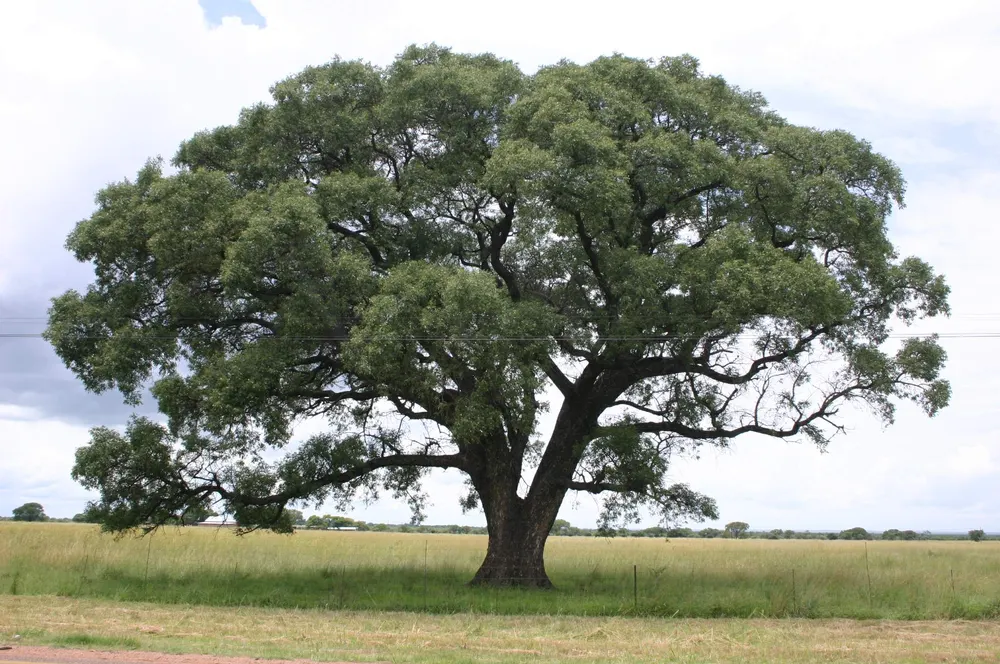
Photo: Rotational, Public domain (via Wikimedia Commons)
Marula
Sclerocarya birrea
Also known as Cider Tree, Elephant Tree, Morula, Maroela
Key benefits
✦Traditional uses
✦Long before it appeared on skincare shelves, the marula tree was a gathering place. Its golden fruit ripens and falls in great abundance each summer, and for generations, families across southern Africa have collected it for eating fresh, brewing into a mildly fermented seasonal drink, and pressing for its oil-rich kernel. The bark has traditionally been used in infusions to ease digestive upset, and the fruit, with its vitamin C content said to rival that of oranges, was valued as a seasonal tonic when fresh greens were scarce. The tree itself was often left standing when land was cleared, a quiet sign of how much it was trusted and relied upon.
How to grow & use it
✦The full apothecary for Marula
Traditional remedies and step-by-step preparations, a complete growing guide, and how to harvest, dry, and store it, all unlocked with HerbLens Unlimited.
- ✦Remedies & preparations
- ✦ Growing guide
- ✦Harvest & storage
From under $6 a month. Free plant identifications always included.
- ✦Baobab
- ✦Hibiscus
- ✦Rooibos
- ✦Amla (Indian gooseberry)
- ✦Cashew apple
“For the taste of the African savanna at the height of summer, tangy, golden, and impossible to forget.”
Marula fruit gave rise to a famous piece of folklore, the idea that elephants deliberately seek out fallen, fermented marula fruit to get drunk. It is a beloved story, though researchers who studied elephant feeding behavior found little evidence they actually eat enough fermented fruit to become intoxicated. The tree's real superpower is more practical: a single healthy marula can drop thousands of pounds of fruit in one season.
The marula's leaves and bark contain tannins and are quite astringent, so bark infusions have traditionally been kept mild and occasional rather than a daily habit, and are not advised during pregnancy or nursing without guidance from a qualified practitioner. Marula belongs to the Anacardiaceae family, the same family as cashew, mango, and poison ivy, so people with known allergies to those plants should approach the sap, bark, and fresh-cut wood with caution, as skin contact can occasionally cause irritation. The ripe fruit and cold-pressed kernel oil are widely eaten and applied with a long history of safe use. As with any traditional plant preparation, it is best to speak with a qualified healthcare provider or herbalist before using marula bark medicinally, especially if pregnant, nursing, or taking medication.