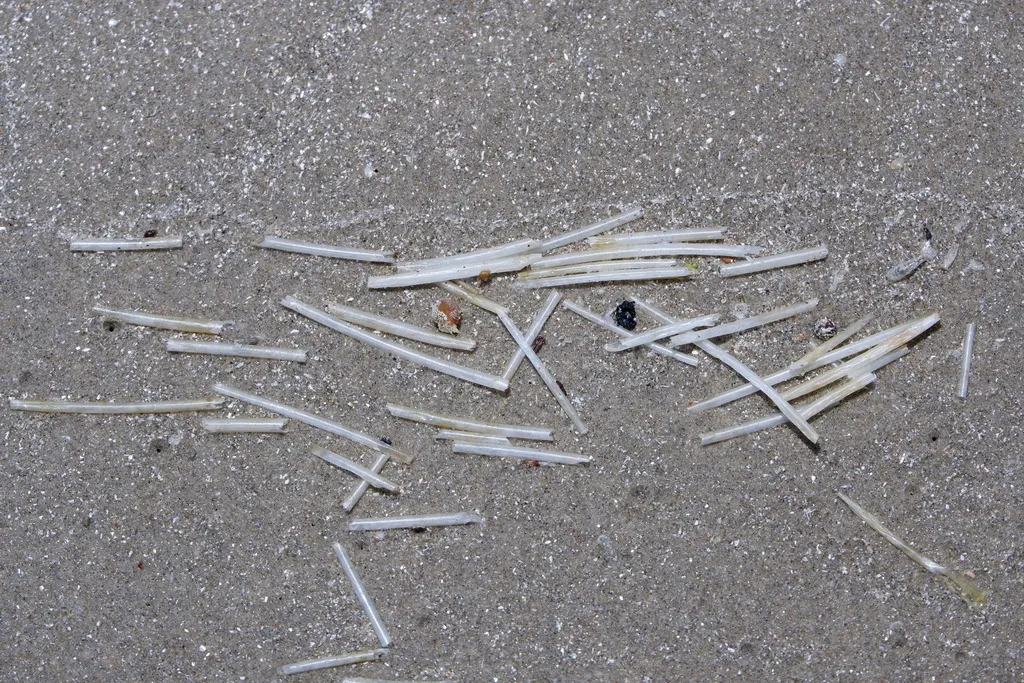
Photo: (c) Bonnie Semmling, CC BY (via iNaturalist)
Thread Seagrass
Cymodocea filiformis
Key benefits
✦Traditional uses
✦Cymodocea filiformis belongs to a quiet, easily overlooked family of plants that never left the sea to conquer dry land the way most flowering plants did. Coastal communities near its meadows have long recognized these grassy underwater beds as good fishing ground, a sign of clean, sheltered water, and a nursery for the small fish and shellfish that people depend on, but the plant itself does not carry a documented history as a culinary herb or home remedy. Its real legacy is ecological rather than medicinal, a patient, rhizome by rhizome building of habitat that has supported coastal life for a very long time.
How to grow & use it
✦The full apothecary for Thread Seagrass
Traditional remedies and step-by-step preparations, a complete growing guide, and how to harvest, dry, and store it, all unlocked with HerbLens Unlimited.
- ✦Remedies & preparations
- ✦ Growing guide
- ✦Harvest & storage
From under $6 a month. Free plant identifications always included.
“Some of the most important meadows in the world grow where no one thinks to look, just beneath the surface of a calm shallow bay.”
Seagrasses like Cymodocea filiformis are among the only flowering plants on Earth that live their entire lives fully submerged in the sea, right down to releasing their pollen underwater to drift on the current and find a mate.
Cymodocea filiformis has no established tradition as a food, tea, or medicinal herb, so no dose or preparation can be responsibly offered here. It is not known to be toxic, but it is simply not a plant people have historically eaten or ingested for wellness, and it should not be treated as one. Seagrass meadows are also ecologically fragile and are legally protected in many coastal areas because of the erosion control, water quality, and fish nursery habitat they provide, so wild plants should be left undisturbed rather than collected. Anyone interested in marine plants for health or dietary purposes should speak with a qualified healthcare professional and check local marine conservation regulations before considering any wild collection.