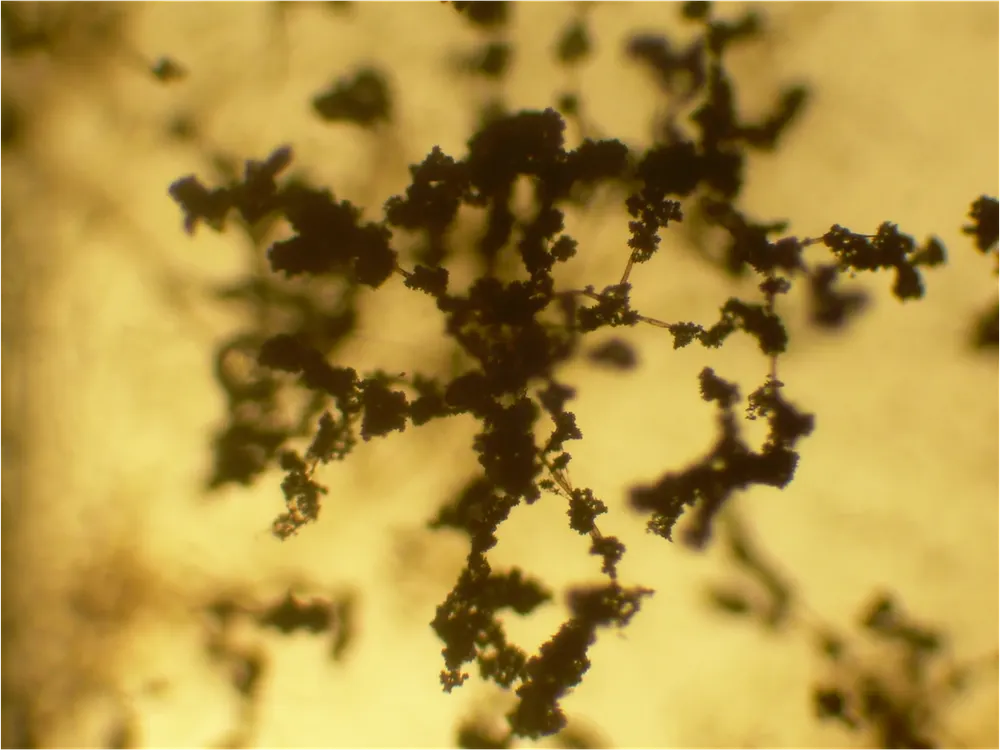
Photo: Ninjatacoshell, CC BY-SA 3.0 (via Wikimedia Commons)
Green Mold (Trichoderma)
Trichoderma viride
Also known as Green Mold Fungus, Trichoderma
Key benefits
✦Traditional uses
✦Trichoderma viride is not a plant and has no history as a kitchen or medicine cabinet herb. Its story belongs to the soil rather than the teapot: for generations, farmers noticed that certain patches of ground seemed to resist plant disease better than others, and in the twentieth century researchers traced part of that resilience to fast-growing green molds like this one. Since then it has earned a steady place in organic growing circles as a natural helper that colonizes roots and crowds out more troublesome fungi, valued today by gardeners who want to lean on biology rather than harsh chemicals.
How to grow & use it
✦The full apothecary for Green Mold (Trichoderma)
Traditional remedies and step-by-step preparations, a complete growing guide, and how to harvest, dry, and store it, all unlocked with HerbLens Unlimited.
- ✦Remedies & preparations
- ✦ Growing guide
- ✦Harvest & storage
From under $6 a month. Free plant identifications always included.
- ✦Compost and leaf mold
- ✦Mycorrhizal fungi
- ✦Well-rotted manure
- ✦Trichoderma harzianum
- ✦Bacillus subtilis
“For the gardener who trusts quiet, unseen allies working in the dark soil to keep root and seedling strong.”
Trichoderma viride was one of the very first fungi, back in the 1930s and 40s, in which scientists identified natural antibiotic-like compounds, work that helped open the door to the whole field of searching soil microbes for medicine.
This mold is not eaten or taken internally. In rare cases it has caused infections in people who are immunocompromised, have had an organ transplant, or are on dialysis, so direct contact should be avoided by anyone in those groups; wear gloves and avoid inhaling dust when using commercial garden products.