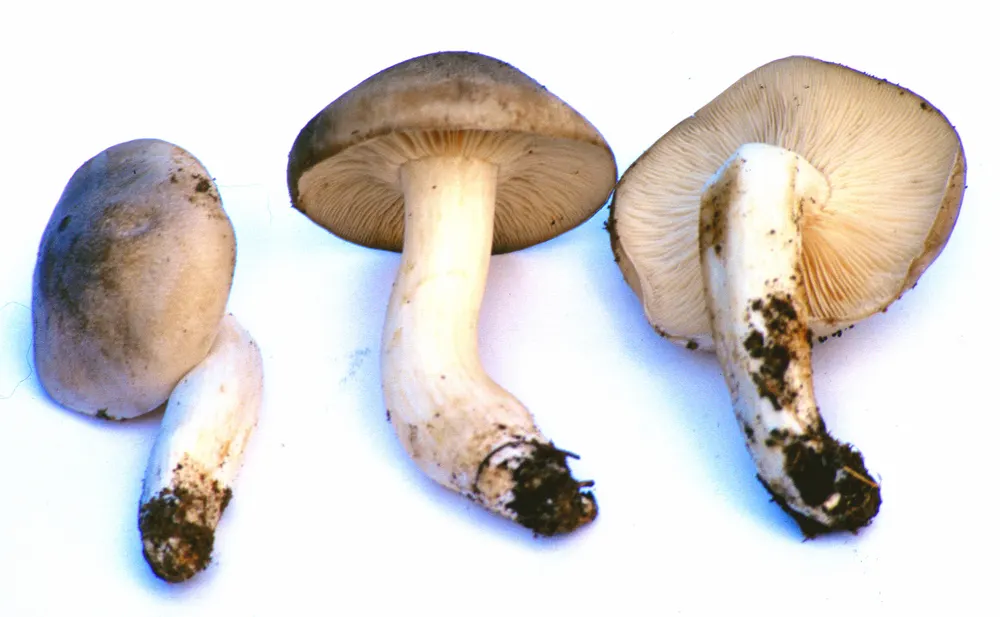
Photo: Japonica, CC BY-SA 4.0 (via Wikimedia Commons)
Hon-shimeji
Lyophyllum shimeji
Also known as True shimeji, Honshimeji, Shimeji mushroom (true)
Key benefits
✦Traditional uses
✦In Japan, hon-shimeji has long been gathered from autumn woodlands and welcomed into the kitchen as one of the season's most treasured finds. It grows in a quiet partnership with the roots of pine and oak trees, which is part of why it has resisted easy cultivation and stayed a genuinely wild harvest. An old Japanese saying, matsutake for fragrance, shimeji for flavor, has for generations placed it above even the famous matsutake mushroom on the tongue, and cooks have traditionally built simple broths, rice dishes, and hot pots around it to let that flavor shine.
How to grow & use it
✦The full apothecary for Hon-shimeji
Traditional remedies and step-by-step preparations, a complete growing guide, and how to harvest, dry, and store it, all unlocked with HerbLens Unlimited.
- ✦Remedies & preparations
- ✦ Growing guide
- ✦Harvest & storage
From under $6 a month. Free plant identifications always included.
- ✦Ginger
- ✦Garlic
- ✦Kombu (dashi seaweed)
- ✦Shiitake mushroom
- ✦Oyster mushroom
“When the autumn woods offer up their rarest, most savory treasure.”
An old Japanese saying, "kaori matsutake, aji shimeji," meaning matsutake for its fragrance and shimeji for its flavor, has for generations ranked hon-shimeji as the better-tasting of Japan's two most celebrated wild mushrooms.
Hon-shimeji should always be cooked thoroughly before eating. It has toxic wild look-alikes, so foraging requires expert identification, and anyone with a mushroom allergy should avoid it.