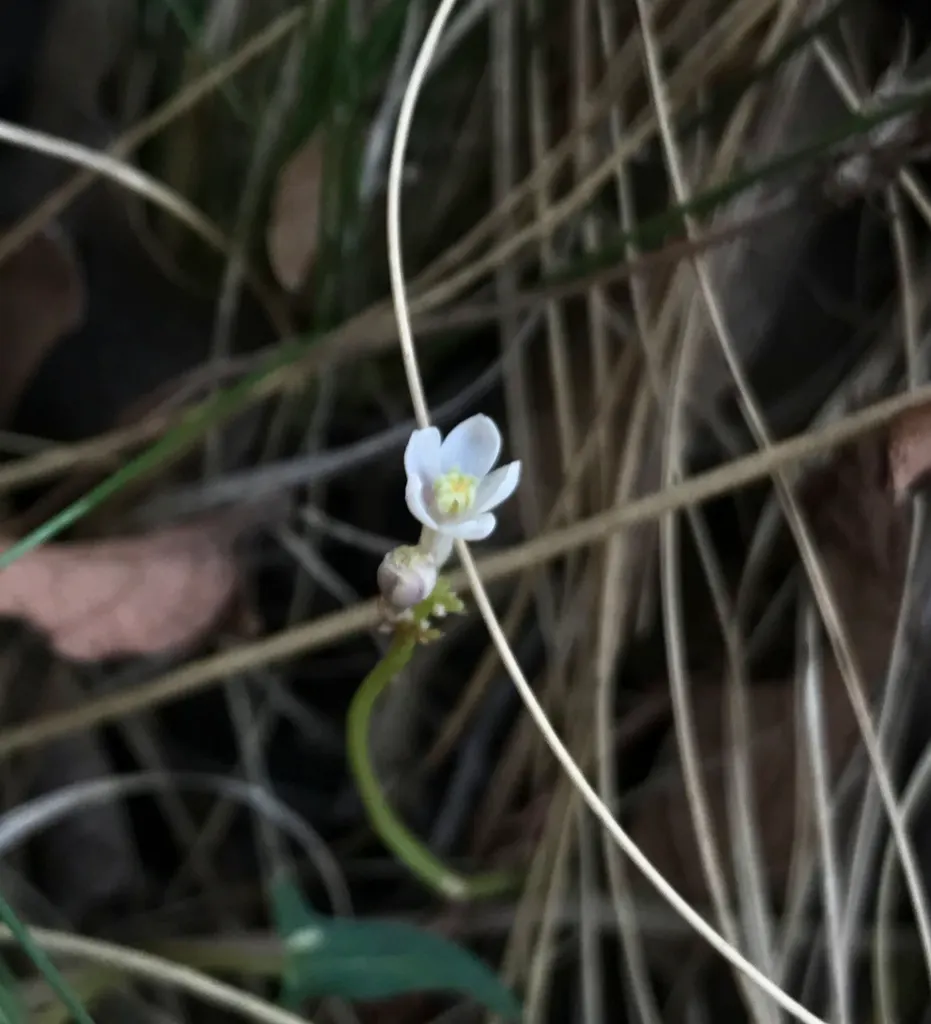
Photo: (c) Itzel Flores, CC BY (via iNaturalist)
Jarilla
Jarilla heterophylla
Key benefits
✦Traditional uses
✦Jarilla heterophylla grows quietly through the dry, thorn-scrub forests of central and southern Mexico, a slender, tuber-rooted cousin of the papaya that most people walk right past without a second look. Unlike its towering, single-trunked relative, it dies back to a fleshy underground root each dry season and rises again with the rains, a survival trick almost unheard of elsewhere in its family. It has never entered cultivation or the herb trade, and what little is recorded about it comes mostly from herbarium sheets and regional botanical surveys rather than any deep or continuous folk tradition. For now, its story belongs more to field botanists tracing the odd branches of the papaya family than to kitchen or medicine cabinet.
How to grow & use it
✦The full apothecary for Jarilla
Traditional remedies and step-by-step preparations, a complete growing guide, and how to harvest, dry, and store it, all unlocked with HerbLens Unlimited.
- ✦Remedies & preparations
- ✦ Growing guide
- ✦Harvest & storage
From under $6 a month. Free plant identifications always included.
“For the quiet delight of meeting the papaya family's odd, out-of-place cousin, tucked into Mexico's dry thorn forests.”
Most of the papaya family, Caricaceae, is made up of soft-wooded trees like the papaya itself, so Jarilla stands out as one of the rare members that gave up the trunk altogether in favor of a underground tuber, letting it vanish beneath the dry forest floor and resprout when the rains return.
Jarilla has no established use as food or medicine, so no part of it should be eaten unless positively identified by an expert.