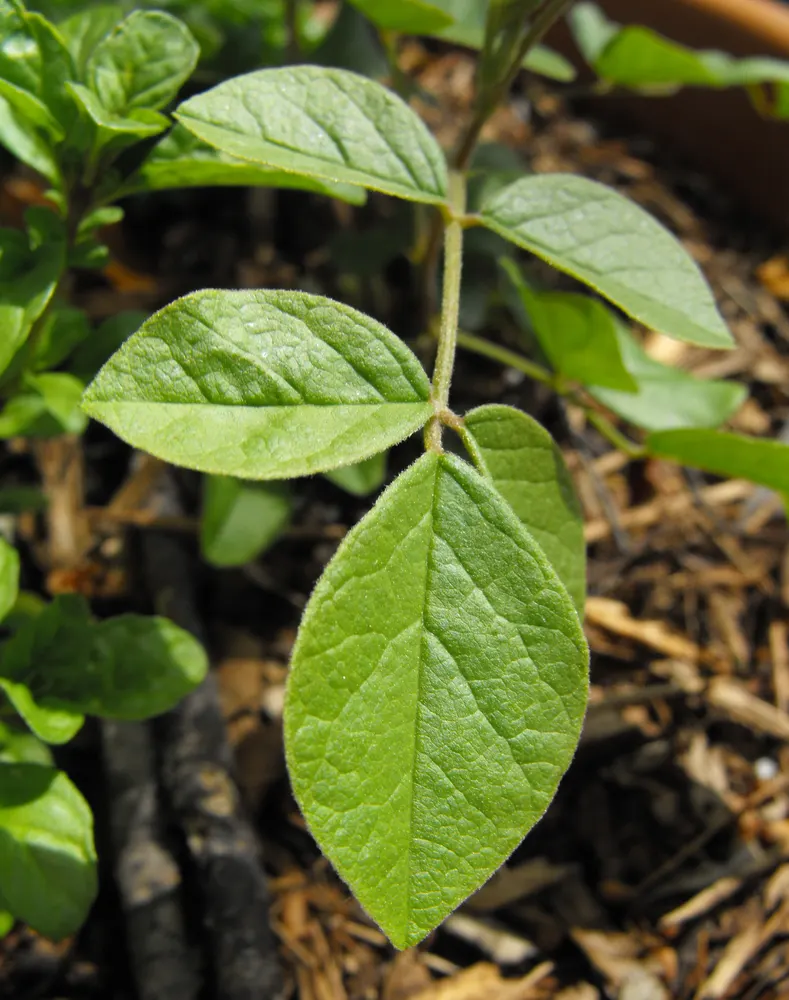
Photo: Stickpen, Public domain (via Wikimedia Commons)
Chinese Licorice
Glycyrrhiza uralensis
Also known as Gan Cao, Chinese Licorice Root, Ural Licorice, Northern Licorice
Key benefits
✦Traditional uses
✦Known in China as Gan Cao, or 'sweet grass,' this root has been a cornerstone of Chinese herbalism for over two thousand years, appearing in more classical formulas than perhaps any other single plant. Herbalists traditionally called it the Great Harmonizer, valued for its ability to soften the harsher edges of other herbs and bring a formula into balance. It was also reached for on its own to soothe coughs, calm sore throats, and settle an unsettled stomach, its natural sweetness making even the bitterest medicine easier to take.
How to grow & use it
✦The full apothecary for Chinese Licorice
Traditional remedies and step-by-step preparations, a complete growing guide, and how to harvest, dry, and store it, all unlocked with HerbLens Unlimited.
- ✦Remedies & preparations
- ✦ Growing guide
- ✦Harvest & storage
From under $6 a month. Free plant identifications always included.
- ✦Ginger
- ✦Chrysanthemum
- ✦Astragalus root
- ✦Marshmallow root
- ✦Slippery elm bark
“When a formula needs a gentle hand to bring its harsher herbs into harmony.”
Glycyrrhizin, the compound responsible for licorice root's flavor, is roughly thirty to fifty times sweeter than table sugar, which is why even a small sliver of root can sweeten an entire pot of tea.
Large amounts or long-term use can raise blood pressure and cause the body to retain sodium while losing potassium, so avoid it during pregnancy and if you have high blood pressure, kidney, liver, or heart conditions. It can also interact with corticosteroids, diuretics, digoxin, and blood pressure medication.