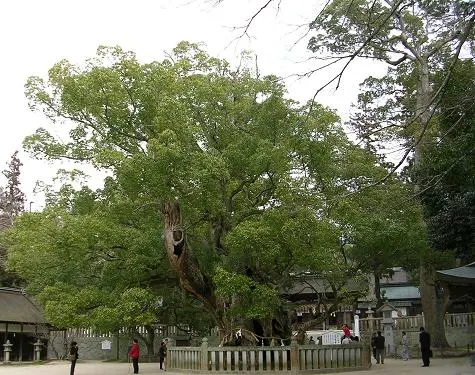
Photo: CC BY-SA 3.0 (via Wikimedia Commons)
Camphor Tree
Cinnamomum camphora
Also known as Camphor Laurel, Camphorwood, True Camphor Tree
Traditional uses
✦For centuries, the camphor tree has been prized in East Asian carpentry and shipbuilding for its fragrant, insect-resistant wood, and its aromatic crystals were steam-distilled and used in traditional Chinese and Japanese medicine as a topical rub for sore muscles and chest congestion. Camphor's sharp, cooling scent made it a fixture of old apothecary cabinets long before its risks were well understood. Today it survives mostly in the ingredient lists of commercial vapor rubs and liniments, where it is used in carefully regulated, very small percentages rather than home-prepared form.
How to grow & use it
✦The full apothecary for Camphor Tree
Traditional remedies and step-by-step preparations, a complete growing guide, and how to harvest, dry, and store it, all unlocked with HerbLens Unlimited.
- ✦Remedies & preparations
- ✦ Growing guide
- ✦Harvest & storage
From under $6 a month. Free plant identifications always included.
- ✦Eucalyptus
- ✦Menthol (mint family plants)
- ✦Eucalyptus leaf
- ✦Wintergreen
“A tree of fragrant wood and old cautionary tales, better admired for its shade than brought into the kitchen.”
The word camphor comes from the Sanskrit karpura, and for centuries the resin-like crystals were considered so precious in parts of Asia and the Arab world that they were traded alongside spices like nutmeg and cloves, valued as highly as they were feared for their potency.
Camphor, the compound this tree is known for, is genuinely toxic if swallowed, causing nausea and seizures, and has caused deaths, especially in children; that is why camphorated oil has been banned for home use in the US since the 1980s. Undiluted essential oil should never be taken internally, applied to skin, or used around infants, and anyone with a seizure disorder should avoid it entirely, since this plant isn't suitable for home remedies.