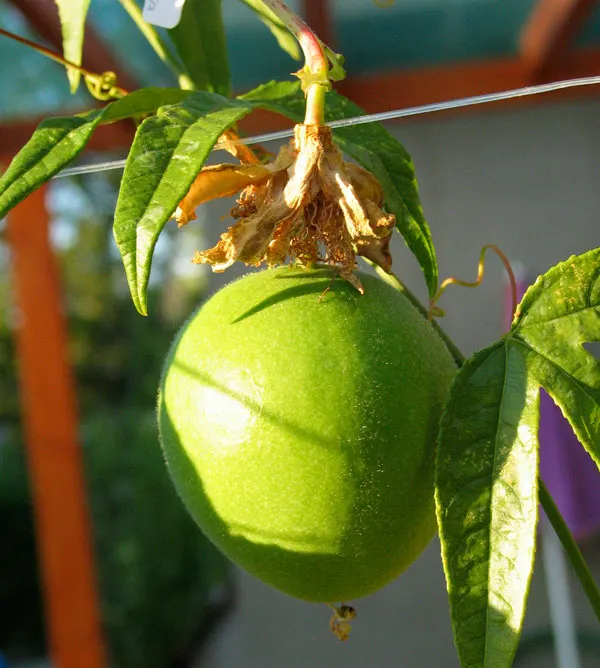
Photo: H3ini, Public domain (via Wikimedia Commons)
Passion Flower
Passiflora incarnata
Also known as Maypop, Purple Passionflower, Wild Apricot, Apricot Vine
Key benefits
✦Traditional uses
✦Long before it appeared in tinctures and tea blends, passionflower was gathered by Native American peoples of the southeastern woodlands, including the Cherokee, who used the vine, root, and fruit for calming and food purposes and shared that knowledge with early European settlers. It was later carried into European herbal medicine in the nineteenth century and eventually earned a place in the U.S. Pharmacopoeia as a mild calming remedy. Herbalists have traditionally reached for its lacy, moon-shaped leaves and flowers to quiet a restless mind at the end of a long day, and its climbing habit and otherworldly bloom made it a favorite of cottage gardens as much as apothecary shelves.
How to grow & use it
✦The full apothecary for Passion Flower
Traditional remedies and step-by-step preparations, a complete growing guide, and how to harvest, dry, and store it, all unlocked with HerbLens Unlimited.
- ✦Remedies & preparations
- ✦ Growing guide
- ✦Harvest & storage
From under $6 a month. Free plant identifications always included.
- ✦Chamomile
- ✦Lemon Balm
- ✦Valerian
- ✦Lemon Balm
- ✦California Poppy
“For the mind that will not quite let go of the day.”
The passionflower's name has nothing to do with romance. Spanish missionaries in South America saw the flower's fringed corona, five stamens, and three-part stigma as symbols of the crown of thorns, the wounds, and the nails of the Christian Passion, and named it accordingly.
Passionflower can add to the effects of sedatives, sleep aids, anti-anxiety medications, and alcohol, and may cause drowsiness. It is not recommended during pregnancy or breastfeeding and should be stopped before scheduled surgery.