Photo: Cillas, CC BY-SA 4.0 (via Wikimedia Commons)
Chinese Holboellia
Holboellia coriacea
Also known as Sausage Vine, Blue Sausage Fruit, Holboellia
Key benefits
✦Traditional uses
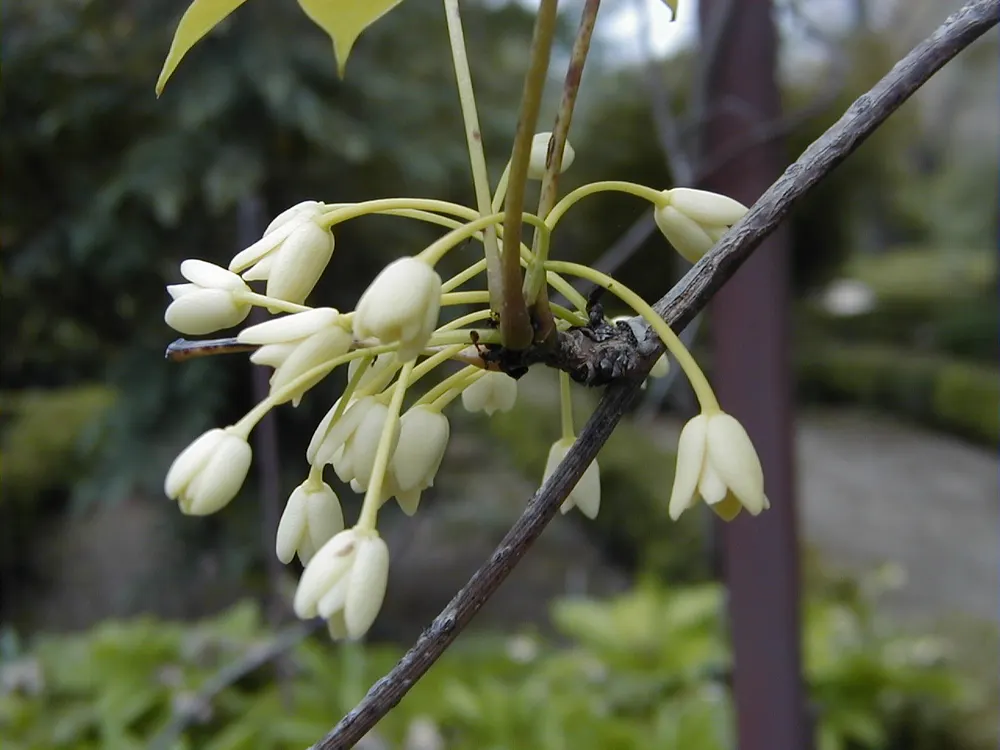
✦Long before it reached Western nurseries, Holboellia coriacea grew wild along the woodland margins of Hubei, Shaanxi, and Sichuan, where foragers watched for its purple, sausage-shaped fruit to soften each autumn before splitting it open for the sweet, translucent pulp inside. Village gardeners in central China have traditionally trained the vine over gateways and courtyard walls, prizing it as much for the honeyed scent of its spring flowers as for the harvest that followed months later. It belongs to the same family as the better known akebia, or chocolate vine, and shares that cousin's easy, twining habit and quiet generosity in the garden.
How to grow & use it
✦The full apothecary for Chinese Holboellia
Traditional remedies and step-by-step preparations, a complete growing guide, and how to harvest, dry, and store it, all unlocked with HerbLens Unlimited.
- ✦Remedies & preparations
- ✦ Growing guide
- ✦Harvest & storage
From under $6 a month. Free plant identifications always included.
- ✦Clematis armandii
- ✦Jasminum polyanthum
- ✦Climbing hydrangea
- ✦Akebia quinata (chocolate vine)
- ✦Stauntonia hexaphylla
“For the wall that wants evergreen cover, spring perfume, and a small sweet harvest come autumn.”
Unlike its relative Akebia quinata, which often needs a second, genetically different vine nearby to set fruit, Holboellia coriacea carries separate male and female flowers on the very same plant, so a single vine can pollinate itself and still produce a full crop of sausage-shaped fruit.
There are no well-documented reports of Holboellia coriacea being toxic, but it also has little modern research behind it. Only the soft, ripe fruit pulp is traditionally eaten; the seeds and tough skin are generally discarded and not meant to be consumed in quantity. As with any less common fruit, correct identification matters before tasting anything foraged, and this plant does not have an established history as a medicinal herb, so no internal remedies are given here. Anyone pregnant, nursing, or managing a health condition should speak with a qualified healthcare provider before using any plant medicinally.