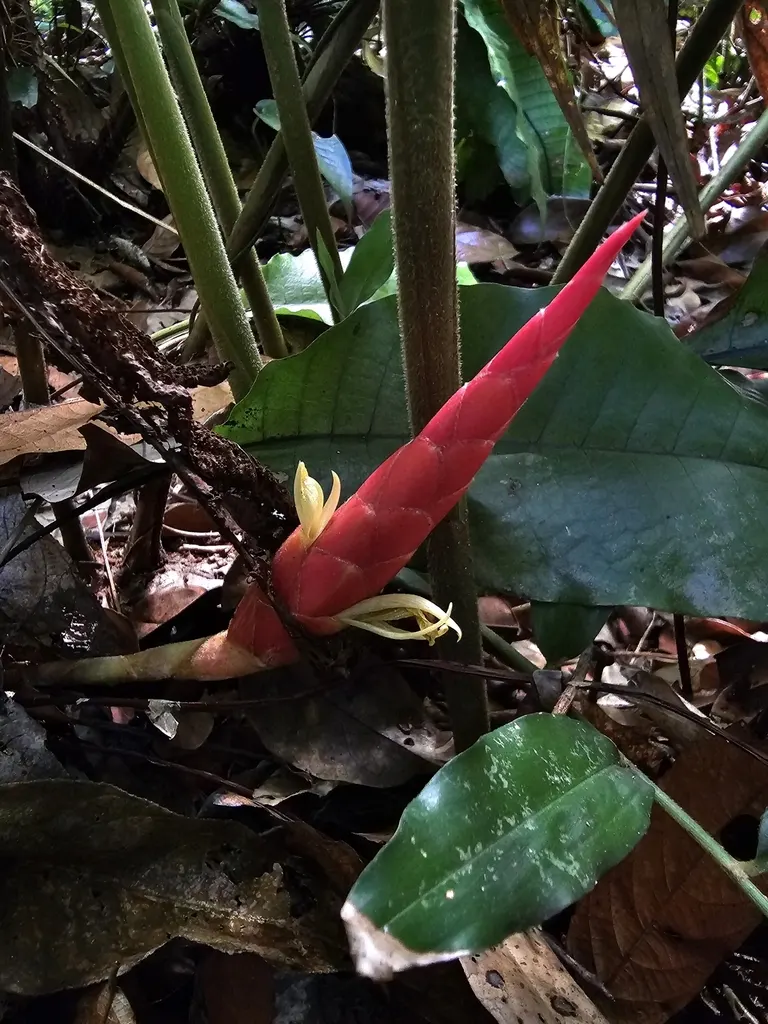
Photo: (c) pbsg, CC BY (via iNaturalist)
Downy Wild Ginger
Zingiber puberulum
Also known as Puberulent Ginger, Hairy-Stemmed Wild Ginger
Key benefits
✦Traditional uses
✦Zingiber puberulum is a lesser-known member of the great ginger family, tucked into the shaded forest floors of Southeast Asia alongside its far more famous cousin, culinary ginger. Its species name comes from the fine, soft down that covers its stems and leaves, a small botanical detail that sets it apart from smoother-leaved relatives. Unlike Zingiber officinale, this wild species has not built up a well-documented history of kitchen or apothecary use in the herbal literature available today, so it is best appreciated here as a botanical curiosity and a garden plant rather than a proven remedy. Where local and indigenous knowledge of this particular species does exist, it has not been widely recorded in accessible written sources, and honest field guides should say so plainly rather than guess.
How to grow & use it
✦The full apothecary for Downy Wild Ginger
Traditional remedies and step-by-step preparations, a complete growing guide, and how to harvest, dry, and store it, all unlocked with HerbLens Unlimited.
- ✦Remedies & preparations
- ✦ Growing guide
- ✦Harvest & storage
From under $6 a month. Free plant identifications always included.
- ✦Zingiber officinale (true ginger)
- ✦Zingiber zerumbet (shampoo ginger)
- ✦Zingiber officinale (true ginger), where a documented and safe ginger is called for instead
“For the quiet corners of a shade garden, where a rare and softly downy ginger can simply be admired for what it is.”
The species name puberulum comes from Latin for finely downy, describing the soft, short hairs that dust the plant's stems and leaves, a subtle feature botanists use to tell it apart from its smoother-skinned ginger relatives.
Unlike common ginger, Zingiber puberulum has no documented history of safe food or medicinal use, so it should not be eaten or used medicinally without expert identification.